
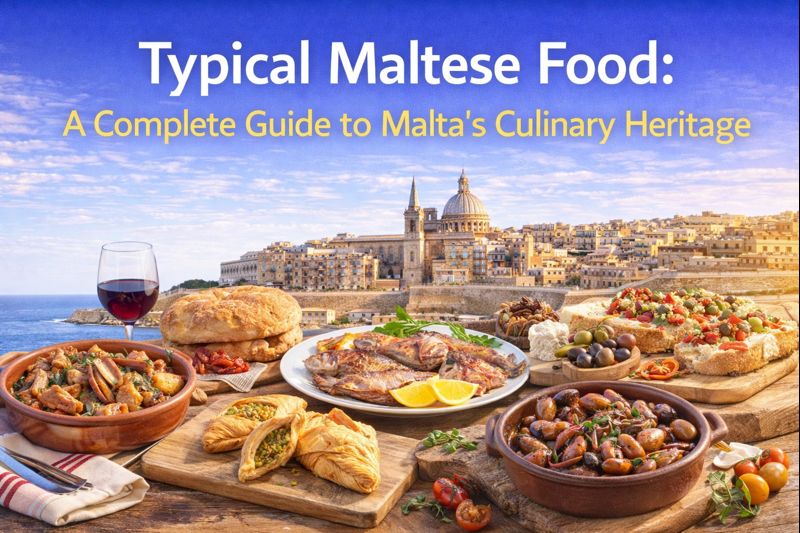
Typical Maltese Food: A Complete Guide to Malta’s Culinary Heritage
Malta’s cuisine is a reflection of its long and fascinating history, shaped by Mediterranean flavors, island traditions, and generations of home cooking. typical maltese food is deeply rooted in simplicity, seasonal ingredients, and bold flavors that tell stories of fishermen, farmers, and family gatherings. For travelers, exploring local cuisine is not just about eating well, but about understanding the soul of the island.
From rustic village kitchens to bustling city restaurants, Maltese dishes offer comfort, authenticity, and a sense of place. This guide explores traditional foods, ingredients, dining culture, and how travelers can enjoy the best culinary experiences across the island.
1.Understanding Malta’s Food Culture
Maltese food culture is built around sharing, patience, and respect for ingredients. Meals are often slow, social, and deeply tied to family traditions.
Key influences include:
- Mediterranean cooking methods
- Italian and Sicilian flavors
- North African spices
- British-era culinary habits
Despite these influences, Maltese cuisine has preserved a strong local identity.
2.Typical Maltese Food and Its Origins
Rural Roots and Home Cooking
Many traditional dishes originated in rural villages where families relied on locally grown vegetables, fresh bread, olive oil, and seasonal meats. Recipes were passed down orally and adapted over time.
Coastal Influence
As an island nation, Malta has always relied heavily on seafood. Fresh fish, octopus, and lampuki play a major role in traditional meals, especially in coastal towns.
3.Essential Ingredients in Maltese Cuisine
Understanding the ingredients helps appreciate the dishes better.
Common ingredients include:
- Olive oil
- Garlic and onions
- Tomatoes and tomato paste
- Fresh herbs like parsley and bay leaves
- Local cheeses
- Seasonal vegetables
These ingredients form the foundation of many classic recipes.
4.Traditional Maltese Dishes You Must Try
Stuffat tal-Fenek (Rabbit Stew)
This slow-cooked stew is considered Malta’s national dish. It is rich, flavorful, and usually served with potatoes or crusty bread.
Pastizzi
Small, flaky pastries filled with ricotta or peas. They are popular street snacks enjoyed at any time of day.
Hobz biz-Zejt
A traditional Maltese sandwich made with crusty bread, tomato paste, olive oil, tuna, capers, and olives.
Bragioli
Beef olives stuffed with herbs, eggs, and breadcrumbs, slow-cooked in tomato sauce.
Aljotta
A traditional fish soup flavored with garlic, herbs, and rice, commonly prepared in fishing communities.
5.Maltese Cheese and Dairy
Gbejna
A small traditional cheese made from sheep or goat milk. It can be fresh, dried, peppered, or preserved in oil.
Gbejna is often served:
- As a starter
- In salads
- With bread and wine
6.Bread and Baking Traditions
Bread plays a central role in Maltese meals.
Popular baked items include:
- Maltese sourdough bread
- Ftira (ring-shaped bread)
- Sweet pastries during festivals
Bakeries remain an important part of daily life across the island.
7.Street Food and Casual Eating
Street food is widely enjoyed by locals and visitors alike.
Common street foods include:
- Pastizzi
- Qassatat (savory pies)
- Imqaret (date-filled pastries)
These affordable snacks offer a quick taste of tradition.
8.Desserts and Sweet Treats
Maltese desserts are simple but rich in flavor.[
Popular sweets include:
- Imqaret with dates and spices
- Kannoli filled with ricotta
- Honey rings during festive seasons
Desserts are often tied to religious celebrations and local feasts.
9.Dining Customs and Meal Times
Meals in Malta are social occasions.
Typical habits include:
- Late dinners
- Long meals with conversation
- Family-style servings
- Weekend lunches lasting hours
Understanding these customs enhances the dining experience.
10.Where Travelers Can Find Authentic Food
Authentic Maltese food is best enjoyed beyond tourist hotspots.
Look for:](https://rentnrides.com/)
- Village restaurants
- Family-run eateries
- Local bakeries
- Traditional festas
Having your own transport allows you to explore food spots across the island with ease.
11.Food Experiences Beyond Restaurants
Food experiences in Malta extend beyond dining tables.
Travelers can enjoy:
- Local food markets
- Village festas
- Wine and olive oil tastings
- Home-style cooking classes
These experiences offer deeper cultural connection.
Why Exploring Local Food by Car Makes Sense
Many of Malta’s best food spots are located in small towns and rural areas. Flexible travel allows you to reach these hidden gems, enjoy meals at your pace, and explore multiple locations in one day.
Final Thoughts
Exploring typical maltese food is an essential part of experiencing the island’s culture and heritage. From traditional stews to street snacks, every dish tells a story of Malta’s past and present. Traveling by car makes it easier to discover authentic eateries, village bakeries, and coastal food spots without limitations. With the freedom offered by Rent N Rides, food-focused travelers can explore Malta comfortably and confidently. Choosing Rent N Rides allows you to turn every meal into a memorable journey across the island.
Conclusion
Exploring typical Maltese food is best done without limits. With Rent N Rides, you can easily reach authentic village eateries, bakeries, and coastal food spots at your own pace, making every meal part of a memorable journey across Malta.